Functional Lab Testing

Beyond the Numbers with Advanced Interpretation

Functional lab testing gives us data; functional interpretation gives you answers. By analyzing patterns across 72+ biomarkers, we find what’s been missed — and chart a path toward your best health.

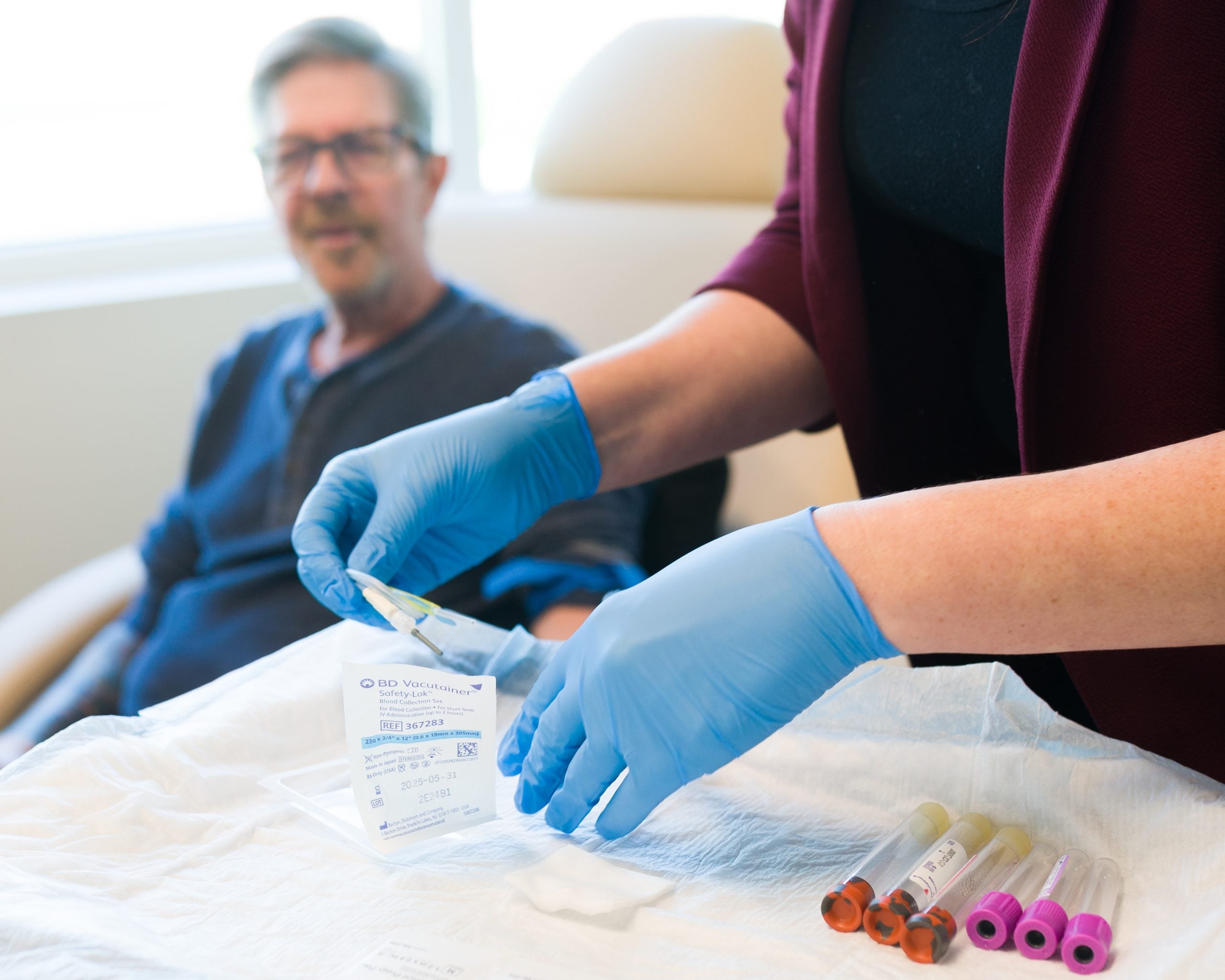
Blood draw for functional lab testing and biomarker analysis
Well Infused provider performing functional lab testing consultation

What Is Functional

Lab Testing?

Functional lab testing goes deeper than just flagging what’s “abnormal.” It’s designed to reveal what’s not functioning at its best—even if it falls within standard ranges.

Unlike traditional labs that focus on managing symptoms through medication or DIY approaches that rely on trial and error, our method is rooted in precision and personalization.

At Well Infused, we use a comprehensive 72-marker lab panel and a functional approach to assess how your body systems are working together. Our team reviews your health history, daily habits, and lab data to develop a plan that addresses the root causes—not just surface-level symptoms. Because lasting wellness requires more than a one-size-fits-all approach—it requires care that’s as unique as you are.

Well Infused provider performing functional lab testing consultation
Functional lab testing icon for conventional and DIY lab limitations

Conventional and DIY lab approaches miss the mark.

Medications, at-home tests, or guessing with supplements don’t address root causes.

Functional lab testing icon for biomarker pattern interpretation

Functional interpretation is the missing piece.

We analyze all lab values—normal and abnormal—for patterns that impact your health.

Functional lab testing icon for personalized root-cause care

Personalized, Root-Cause Care

Our functional lab testing goes over 72+ biomarker panels so we can build custom plans to optimize your unique physiology.

We Measure 72+ Essential Biomarkers

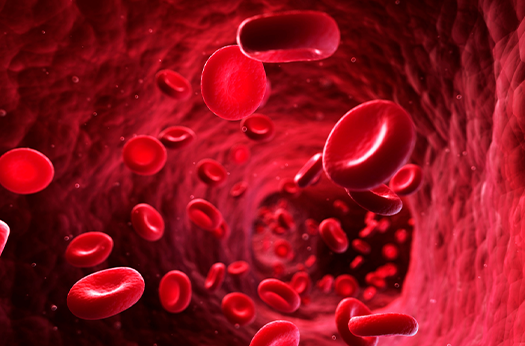
Red blood cells representing energy and fuel biomarkers in functional lab testing

Energy and Fuel

Fueling our bodies efficiently starts with understanding the vital roles of oxygen and nutrition.

➔ Red Blood Cell Health: Your red blood cells ensure oxygen is transported efficiently to every part of your body. Key indicators to watch:

◆ RBC Count: How many oxygen-delivering cells you have.
◆ Hemoglobin: Amount of oxygen-carrying protein present.
◆ Hematocrit: Percentage of red blood cells in your total blood.
◆ MCV: Average size of your red blood cells, affecting oxygen delivery.
◆ Vital Nutrients: Ferritin, Iron, Vitamin B12, B9, and % Saturation.

➔ Blood Sugar Dynamics: Your blood sugar, or glucose, is essential for energy. Keeping it balanced is vital:

◆ Fasting Glucose: Snapshot of sugar level after not eating.
◆ Hemoglobin A1C: Three-month average of blood sugar.
◆ Estimated Average Glucose: Broader picture of daily glucose levels.

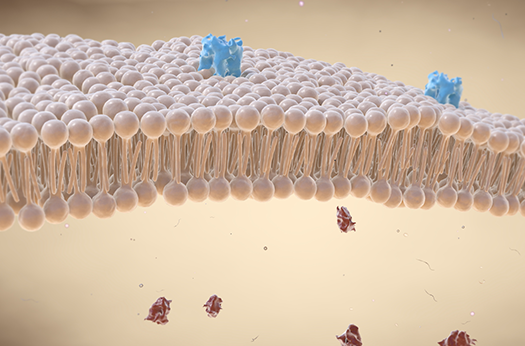
Cell membrane image representing heart and lipid health biomarkers

Heart and Lipid Health

Our bodies, apart from water, consist mainly of fats (lipids) and proteins, with lipids playing several vital roles.

➔ Blood Lipids: These fats should move freely in our vessels, available for energy or cellular construction.

◆ Triglycerides: Reflects metabolic health, not just dietary fats.
◆ LDL Cholesterol: A crucial factor, but not the sole agent in heart disease.
◆ HDL Cholesterol: The beneficial cholesterol offering insights when considered alongside other markers.
◆ Total Cholesterol: Alone, doesn’t reveal much about heart disease risk.
◆ Lipid Ratios: Comparisons of various lipid levels crucial for understanding heart disease risk.
◆ Apolipoprotein B: A new approach to understanding LDL cholesterol’s nuances.

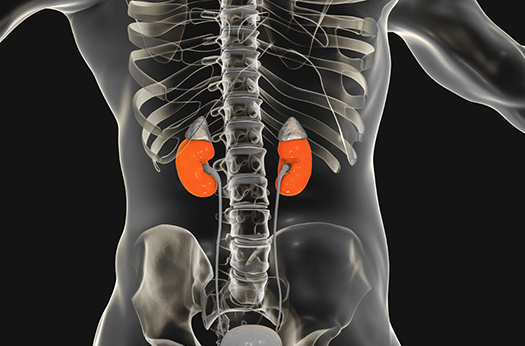
Kidney image representing detoxification biomarkers in functional lab testing

Detoxification

In today’s environment, our bodies confront numerous toxins. Coupled with the waste from our metabolism, detoxification is more vital than ever.

➔ Liver & Kidney: Body’s Natural Filters: Central to removing toxins and waste.

◆ AST/ALT/GGT: Indicators of liver health and potential challenges.
◆ Bilirubin & Alkaline Phosphatase: Clues about blood cell recycling and nutrient status.
◆ Creatinine, eGFR, and Blood Nitrogen: Insights into kidney health.
◆ Protein Markers: Albumin and Globulin. Reflecting how well we digest and utilize protein.

Mineral image representing cellular communication biomarkers

Cellular Communication

Optimal health requires coordinated cellular communication, driven by micronutrients, electrolytes, and hormones.

➔ Electrolyte Balance: Minerals that power everything from our heart & muscles to our mind. The ‘electric currents’ required to operate your body must be in a tight balance determined by lifestyle, nutrition and diet

◆ Key indicators include sodium, potassium, calcium, magnesium, chloride, and Co2.

➔ Hormonal Symphony: Over 600 hormones ensure harmony within our body’s systems.

◆ Thyroid Health: Governs our energy use. Key indicators include TSH, T3, T4, and antibody levels.
◆ Sex Hormones: Impact a spectrum of health aspects, including metabolic health and stress response. Key indicators include Estradiol, total and free Testosterone, DHEA-S, LH & FSH

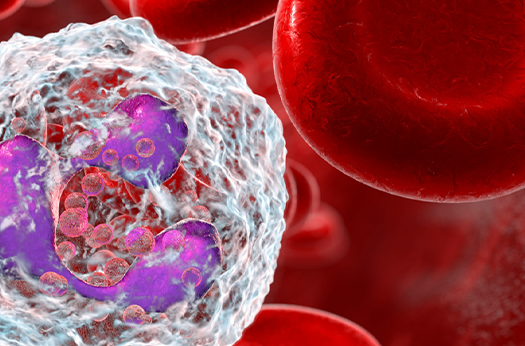
Immune cell image representing immune and inflammatory markers

Immune System and Inflammatory Markers

In a world full of health challenges, our body’s internal defense needs to be resilient.

➔ Immune Health: A fortified immune system defends against numerous threats.

◆ Vitamin D: A key regulator of immune response.
◆ White Blood Cells: Indicators of the body’s immune reactions.

➔ Inflammation’s Double-Edged Sword: Both a protector and a potential problem.

◆ High Sensitivity C-Reactive Protein: A top inflammation marker.
◆ Homocysteine: Can impact blood vessels and brain cells.
◆ Uric Acid: Elevated levels can indicate dietary and metabolic issues.
◆ GGT & Alkaline Phosphatase: Early indicators of inflammatory diseases.
◆ Clotting Factors: Elements like platelets and fibrinogen rise when there’s an immediate threat from inflammation.

Functional lab testing blood collection supplies and sample tubes

How is Functional Lab Testing performed?

We keep it simple: a comprehensive blood panel (including hormones) is done on-site. Most tests require a 12-hour fast unless it’s a hormone follow-up. Once results are in, our team interprets them, focusing on optimal ranges—not just abnormal ones. You’ll watch a webinar to understand your labs, then meet with us to review your personalized plan, including supplements, diet, or other support.

book phone consultation

Our Services

Functional

Medicine

VITAMIN

SHOTS

OZONE

THERAPY

IV

Therapy

Hormone

Therapy

Peptide

Therapy

Weight Loss and Body Composition

Salt Room

Therapy

Regenerative

Therapy

JOINT & MUSCLE

THERAPY

BREAST 

THERMOGRAPHY

Interested in

Functional Lab Testing?

Book Phone Consultation