TELL CITY, IN

Functional Lab Testing in Tell City, IN
Beyond the Numbers with Advanced Interpretation
Functional lab testing provides the data; our functional interpretation delivers the solutions you need. Through comprehensive pattern analysis of 72+ biomarkers, we uncover overlooked health factors and create a roadmap to your optimal wellness.


What Is Functional
Medicine Lab Testing?
Functional laboratory assessment extends beyond identifying “out-of-range” values. It’s engineered to detect suboptimal function—even when results appear within conventional parameters.
Rather than traditional testing that emphasizes symptom management through pharmaceuticals or self-guided methods that depend on guesswork, our approach is founded on accuracy and individualization.
Well Infused employs an extensive 72-biomarker diagnostic panel combined with functional analysis to evaluate how your physiological systems integrate and communicate. Our practitioners examine your medical background, lifestyle patterns, and laboratory findings to create a strategy targeting fundamental imbalances—not merely superficial manifestations. Sustainable health transformation demands more than generic protocols—it requires therapeutic care tailored specifically to your biological blueprint.


Conventional and DIY lab approaches miss the mark.
Medications, at-home tests, or guessing with supplements don’t address root causes.

Functional interpretation is the missing piece.
We analyze all lab values—normal and abnormal—for patterns that impact your health.

Personalized, Root-Cause Care
Our functional lab testing goes over 72+ biomarker panels so we can build custom plans to optimize your unique physiology.
We Measure 72+ Essential Biomarkers
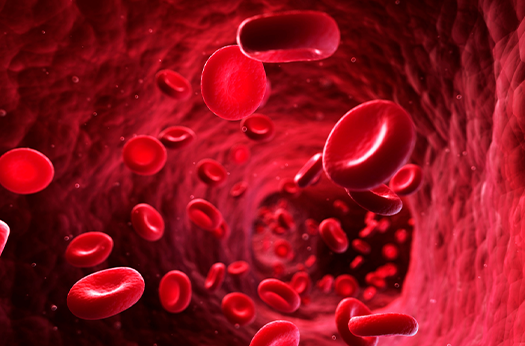
Energy and Fuel
Optimizing our body’s energy production begins with recognizing the essential functions of oxygen and nutrient utilization.
Read more
➔ Red Blood Cell Function: Your red blood cells guarantee efficient oxygen delivery throughout your entire system. Critical metrics to monitor:
◆ RBC Count: Total number of oxygen-transporting cells available.
◆ Hemoglobin: Concentration of oxygen-binding protein within cells.
◆ Hematocrit: Proportion of red blood cells relative to total blood volume.
◆ MCV: Mean red blood cell size, influencing oxygen transport capacity.
◆ Essential Nutrients: Ferritin, Iron, Vitamin B12, B9, and Saturation Percentage.
➔ Glucose Regulation: Blood glucose serves as your body’s primary energy source. Maintaining optimal balance is crucial:
◆ Fasting Glucose: Blood sugar measurement following overnight fasting period.
◆ Hemoglobin A1C: Long-term glucose average spanning three months.
◆ Estimated Average Glucose: Comprehensive view of daily glucose fluctuations.

Heart and Lipid Health
Beyond water content, our physical composition is primarily made up of lipids (fats) and proteins, with lipids serving multiple essential biological functions.
Read more
➔ Circulating Lipids: These fats must flow efficiently through our blood vessels, serving as energy sources or building blocks for cellular repair.
◆ Triglycerides: Indicates metabolic function beyond simple fat consumption.
◆ LDL Cholesterol: An important component, though not the exclusive contributor to cardiovascular disease.
◆ HDL Cholesterol: The protective cholesterol providing valuable information when evaluated with complementary biomarkers.
◆ Total Cholesterol: By itself, offers limited insight into cardiovascular risk assessment.
◆ Lipid Ratios: Comparative analysis of different lipid measurements essential for cardiovascular risk evaluation.
◆ Apolipoprotein B: An advanced method for analyzing LDL cholesterol complexity and impact.
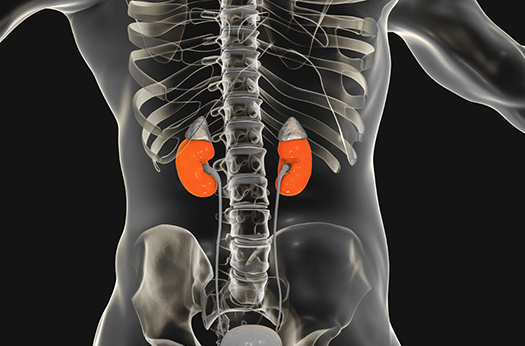
Detoxification
In our modern world, our bodies face constant exposure to environmental toxins. Combined with metabolic byproducts generated internally, effective detoxification has become increasingly critical for optimal health.
Read more
➔ Liver & Kidney: Your Body’s Primary Filtration System: Essential organs for eliminating toxins and metabolic waste.
◆ AST/ALT/GGT: Markers revealing liver function and potential stress factors.
◆ Bilirubin & Alkaline Phosphatase: Indicators of red blood cell breakdown and nutritional absorption status.
◆ Creatinine, eGFR, and Blood Nitrogen: Assessment tools for kidney filtration capacity.
◆ Protein Markers: Albumin and Globulin levels demonstrating protein digestion efficiency and utilization.

Cellular Communication
Peak wellness depends on synchronized cellular messaging, powered by micronutrients, electrolytes, and hormonal signaling.
Read more
➔ Electrolyte Equilibrium: Essential minerals that energize everything from cardiac function and muscle activity to cognitive performance. These ‘bioelectric circuits’ necessary for bodily operations must maintain precise balance influenced by lifestyle choices, nutritional intake, and dietary patterns.
◆ Critical measurements encompass sodium, potassium, calcium, magnesium, chloride, and CO2 levels.
➔ Hormonal Orchestra: More than 600 hormones coordinate seamless integration across all bodily systems.
◆ Thyroid Function: Regulates metabolic energy utilization. Essential measurements include TSH, T3, T4, and thyroid antibody concentrations.
◆ Reproductive Hormones: Influence diverse health parameters, encompassing metabolic function and stress management. Primary indicators feature Estradiol, total and free Testosterone levels, DHEA-S, LH & FSH.
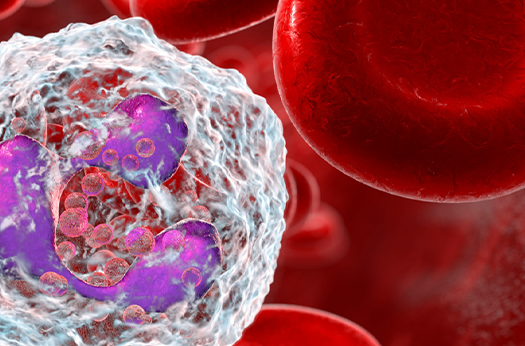
Immune System and Inflammatory Markers
Amid today’s complex health landscape, our body’s innate protective systems must remain robust and adaptive.
Read more
➔ Immune Function: A strengthened immune system provides protection against diverse health threats.
◆ Vitamin D: Essential modulator of immune system activity.
◆ White Blood Cells: Measurements revealing the body’s immune system responses.
➔ Inflammation’s Dual Nature: Serves as both a healing mechanism and a potential health risk.
◆ High Sensitivity C-Reactive Protein: Premier inflammatory biomarker.
◆ Homocysteine: May affect vascular integrity and neuronal health.
◆ Uric Acid: Increased concentrations can signal nutritional and metabolic dysfunction.
◆ GGT & Alkaline Phosphatase: Preliminary indicators of inflammatory conditions.
◆ Coagulation Elements: Components such as platelets and fibrinogen increase during acute inflammatory responses.

How is Functional Lab Testing performed?
Our approach is straightforward: we conduct a thorough blood analysis (with hormonal assessment) directly at our facility. The majority of tests need a 12-hour fasting period, except for hormonal monitoring appointments. After receiving your results, our practitioners analyze them using optimal reference ranges rather than simply identifying abnormal values. You’ll view an educational presentation explaining your laboratory findings, followed by a consultation where we discuss your customized wellness strategy, which may include nutritional supplements, dietary modifications, or additional therapeutic support.
Our Services in Tell City, IN

Functional
Medicine
VITAMIN
SHOTS

IV
Therapy

Hormone
Therapy
Peptide
Therapy

Weight Loss and Body Composition

Salt Room
Therapy

Regenerative
Therapy


Well Infused Tell City
Explore
Learn more
2025 © Well Infused LLC | All Rights Reserved | Well Infused trademarks and brands are the property of their respective owners